
What Are Spicules? The Science Behind the Green Sea Peel
If you've heard us mention "spicules" or the Green Sea Peel and wondered what on earth we're talking about. Here's what spicules are, how they work, and why we love this treatment for texture, tone, and overall skin renewal.
What are spicules, exactly?
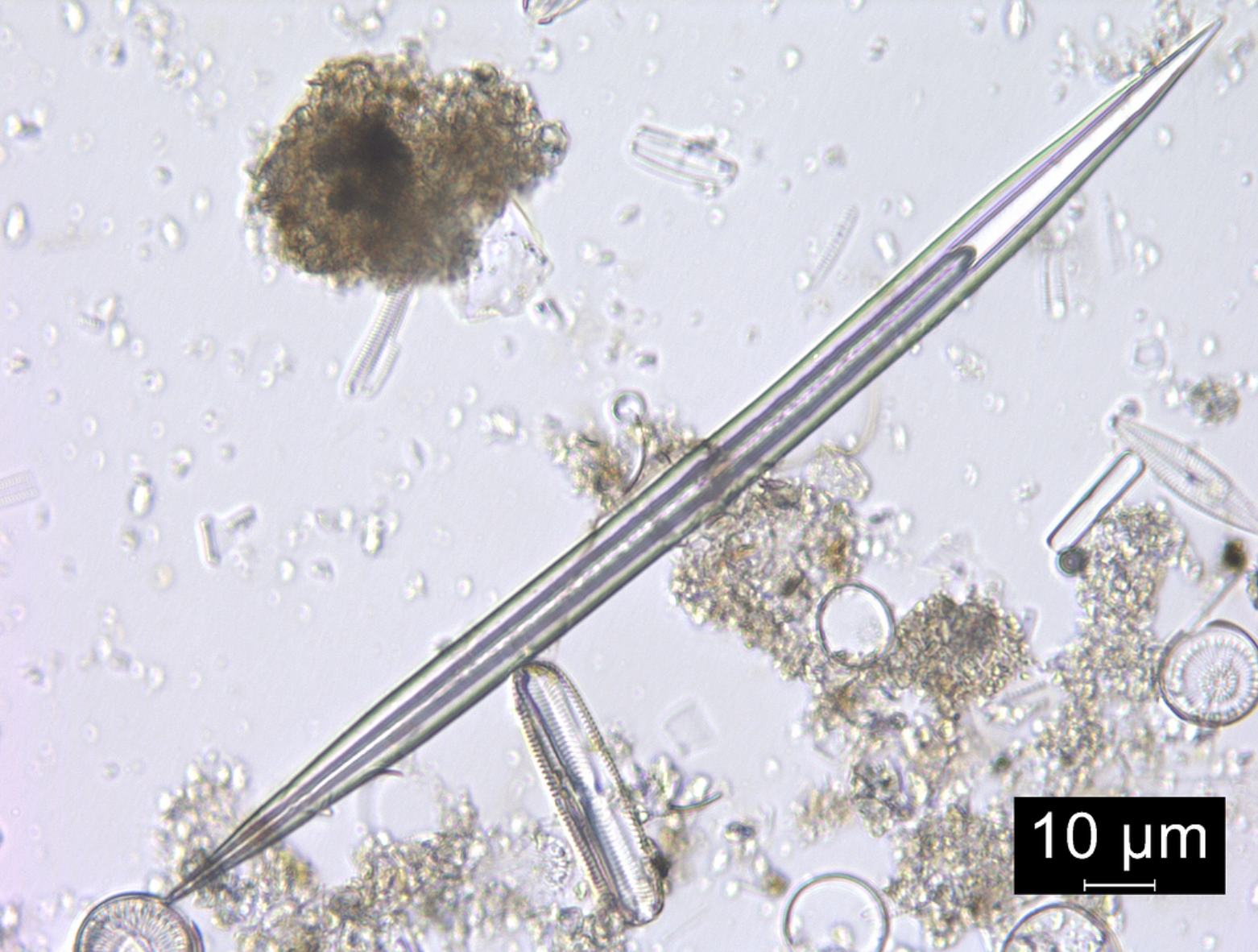
Closeup of a spicule
Spicules form the natural skeleton of marine sponges and certain corals. They're tiny structural rods, roughly the width of a few strands of hair, that give these organisms their shape. In skincare, spicules are hollow and microscopic, and their unique shape is exactly what makes them so effective on skin.
This isn't brand new either. Spicules have roots in traditional skin therapies across Eastern Europe and Asia, prized for their high mineral content. They've since made their way into modern medical-grade skincare, and researchers continue to study new spicule-producing species each year for both skincare and broader medical applications.
How do spicules actually work on skin?
You may hear spicule treatments described as "liquid microneedling". When massaged into the skin, spicules create thousands of microscopic channels, similar to microneedling, but without needles.
Here's what makes them different: spicules don't just create channels and leave. They gently embed into the skin's surface and stay there for 24 to 72 hours, gradually working before being naturally exfoliated away. During that time, they act like a slow-release delivery system, helping the skin absorb beneficial nutrients more deeply than a typical topical product could reach on its own.
While embedded, spicules help kick-start several of the skin's own natural repair processes:
Boosting circulation to the treated area, which supports healing and detoxification
Stimulating collagen and elastin production, for smoother, more resilient skin over time
Encouraging cell turnover, helping to exfoliate dull, dead skin and reveal a brighter complexion underneath
Helping to regulate pigment-producing cells, which is why spicules are often used for sun spots, post-breakout marks, and uneven tone
Supporting clearer skin, thanks to their natural deep-cleansing, pore-clearing action
Spicule peel vs. chemical peel: what's the difference?
Both treatments help renew the skin, but they get there in very different ways.
Chemical peels use acids to break down the bonds between skin cells, exfoliating the surface. They tend to show visible results quickly, often after just one session, but they can be more irritating for sensitive or reactive skin, and carry a higher risk of post-inflammatory pigmentation in deeper skin tones.
Spicule peels take a gentler, mechanical approach rather than a chemical one. Because they don't rely on acids, they carry a much lower risk of triggering pigmentation issues, which makes them a great option for melanin-rich skin. The trade-off is patience. Spicule treatments tend to work best as a series over time rather than a single dramatic reveal, and the application itself has a distinct texture (some clients describe it as a light, prickly sensation) that takes some getting used to.
Neither treatment is "better" across the board. It really comes down to your skin, your goals, and how much downtime you're working with.
Who is the Green Sea Peel a good fit for?
We recommend this treatment for:
Textural concerns, including acne scarring and rough or uneven texture
Sun damage and post-breakout marks
Those wanting a gentler alternative to acid-based peels
Anyone looking for a longer-term, series-based approach to skin renewal rather than a one-and-done fix
One important note: because spicules are derived from marine sponges, this treatment is not appropriate for anyone with a shellfish allergy. A chemical peel would be a safer route in that case. We'll always review your health history at your consult to make sure any treatment we recommend is a safe fit for you.
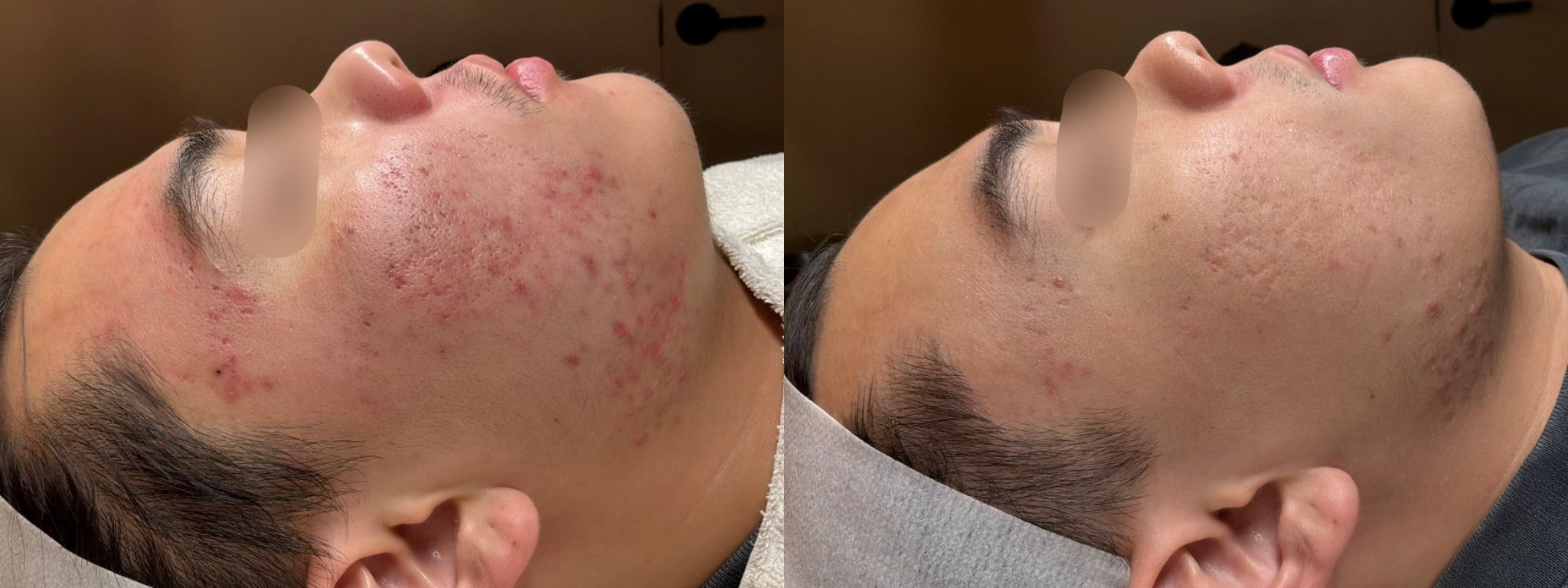
Before and after 2 Green Sea Peels and a customized home care routine
Curious if the Green Sea Peel is right for your skin?
Every skin story is different, and the best way to know which peel (spicule or chemical) is the right for you is an in person consultation with our team. Book a skin consult and we'll walk through your goals and build a plan around your skin.
This blog is for educational purposes and isn't a substitute for individualized skin or medical advice. Book a consultation to discuss your specific skin concerns and treatment options.
